Watercolor Edible Flowers Clipart: A Practical Evaluation
In the realm of digital design, culinary arts, and botanical illustration, the intersection of aesthetics and functionality often dictates the success of a project. Watercolor Edible Flowers Clipart represents a specific niche within this intersection, offering designers and creators a set of high-resolution assets that mimic hand-painted botanical art. These digital assets typically feature culinary-safe blooms such as nasturtiums, pansies, roses, marigolds, borage, and chive blossoms. Understanding the utility, limitations, and appropriate applications of these graphics is essential for anyone considering them for personal or commercial projects.
Defining the Asset: What Is Watercolor Edible Flowers Clipart?
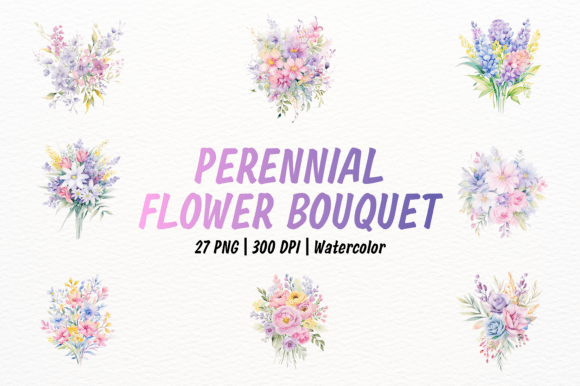
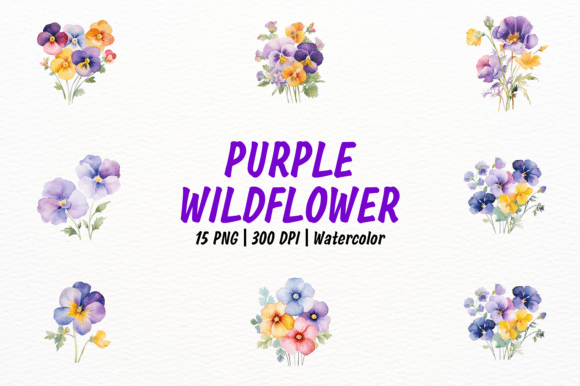
Watercolor Edible Flowers Clipart refers to a collection of digital images rendered in a watercolor style, specifically depicting flowers that are safe for human consumption. Unlike standard stock photography or vector illustrations, these assets aim to capture the organic texture, fluid color gradients, and soft edges characteristic of traditional watercolor painting. A typical set includes approximately 15 distinct illustrations, each provided in high resolution (often 300 DPI at 3000 x 3000 pixels).
The defining technical feature of these collections is the availability of files with transparent backgrounds. This allows the floral elements to be isolated from their original canvas, enabling seamless integration into various design compositions without unsightly white borders. The inclusion of both PNG (transparent) and JPG (white background) formats provides flexibility for different printing and digital workflows.
Reasons for Interest: Why Choose Botanical Culinary Graphics?
Designers and creators may seek out Watercolor Edible Flowers Clipart for several practical reasons. First, there is an aesthetic demand for "organic" and "natural" visuals in the food and wellness industries. Brands focusing on gourmet cooking, herbal remedies, or farm-to-table dining often require imagery that feels artisanal rather than industrial. Watercolor textures convey a sense of handmade care and freshness that rigid vector lines sometimes fail to achieve.
Secondly, the specific subject matter—edible flowers like rosemary, chives, and nasturtiums—adds a layer of authenticity to culinary designs. Using a generic flower might look decorative, but using a recognizable edible bloom signals to the audience that the content is related to actual ingredients, recipes, or garnishes. This specificity is crucial for menu design, recipe blogs, and packaging for organic products.
Finally, the convenience of pre-isolated, high-resolution assets saves significant time. Creating realistic watercolor effects from scratch requires artistic skill and hours of labor. For professionals who need quality botanical elements quickly for a deadline, a curated clipart set offers an efficient alternative.
Benefits and Tradeoffs: Weighing the Value
When evaluating Watercolor Edible Flowers Clipart, it is necessary to balance the advantages against potential limitations.
Key Benefits
- High Resolution: With dimensions of 3000 x 3000 pixels at 300 DPI, these images are suitable for professional printing, including wedding invitations, large-format menus, and product packaging.
- Transparency: The removal of white backgrounds simplifies the design process, allowing for easy layering over photos, colored paper, or other graphic elements.
- Licensing Flexibility: Many sets allow for both personal and commercial use, including the creation of derivative works. This means users can incorporate the flowers into a larger design they intend to sell, such as a printed cookbook or a branded stationery set.
- Aesthetic Consistency: Since all images in a set are created by the same artist using the same technique, they maintain a cohesive visual language, which is vital for brand identity.
Potential Tradeoffs
- Lack of Scalability: Unlike vector graphics, raster-based watercolor clipart cannot be scaled infinitely without losing quality. While 3000x3000 pixels is large, extreme enlargement beyond print standards may result in pixelation.
- Fixed Composition: The angle, lighting, and shape of the flowers are fixed. If a designer needs a specific petal arrangement or a different perspective, they cannot simply adjust the file; they must rely on photo editing software to manipulate the image.
- Saturation Risks: In some cases, the vibrant colors intended for screen display may shift when printed on certain materials, requiring color correction before final production.
Ideal Use Cases: Where This Clipart Excels
Watercolor Edible Flowers Clipart is particularly well-suited for projects where an artisanal, handcrafted feel is desired. It is an excellent fit for:
- Culinary Branding: Designing logos, labels, or packaging for organic teas, jams, vinegars, or gourmet spice blends.
- Event Stationery: Creating wedding invitations, baby shower cards, or birthday announcements with a garden theme.
- Digital Content: Enhancing social media posts for food bloggers, Instagram stories for chefs, or website banners for botanical gardens.
- Educational Materials: Developing flashcards or worksheets about plant identification, nutrition, or gardening for children.
- DIY Crafts: Printing stickers, scrapbooking elements, or creating custom greeting cards.
When to Consider Alternatives
While versatile, this type of clipart is not the optimal solution for every scenario. Alternatives should be considered if:
- Photorealism is Required: If the goal is to show exactly what a specific ingredient looks like for a recipe instruction, a high-quality photograph is superior to a stylized painting.
- Extreme Scaling is Needed: For billboards or very large murals, vector illustrations are preferable because they remain crisp at any size.
- Customization is Critical: If the project demands changing the color palette entirely or altering the structure of the flower significantly, starting with a vector asset or commissioning a custom illustration may yield better results.
- Strict Corporate Identity: Some corporate brands require clean, geometric, or minimalist styles that clash with the soft, organic nature of watercolor art.
Decision-Making Insights and Licensing Considerations
Before integrating Watercolor Edible Flowers Clipart into a project, careful attention must be paid to the terms of use. Most reputable sets distinguish between selling the raw image and selling a product containing the image. Typically, buyers are permitted to sell prints, merchandise, or digital designs that feature the clipart as part of a larger composition. However, reselling the original, unmodified image files on marketplaces like Etsy or Creative Fabrica is generally prohibited.
For commercial users, it is also important to verify the copyright ownership. Ensuring that the license covers the intended scope of distribution prevents legal complications down the line. Additionally, while the transparent PNG format offers immediate convenience, designers should always inspect the edges of the cutouts at 100% zoom to ensure no halos or jagged artifacts remain, especially when placing them against dark backgrounds.
Ultimately, the decision to use Watercolor Edible Flowers Clipart depends on the alignment between the project's aesthetic goals and the practical constraints of the medium. For those seeking a blend of natural beauty, culinary relevance, and design efficiency, these assets offer a robust solution. By understanding their strengths and limitations, creators can effectively leverage these botanical illustrations to enhance their work without compromising on quality or compliance.