Roses Lisianthus and Orange Hydrangeas: A Strategic Asset for Creative Workflows
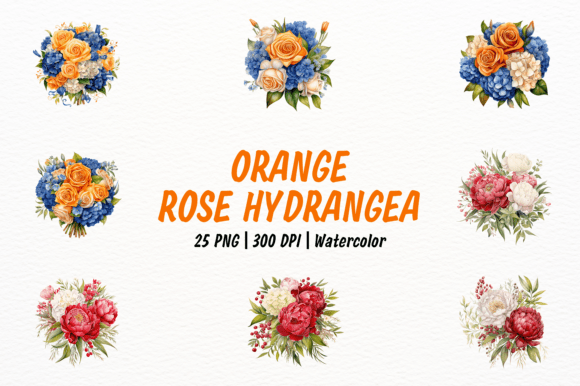
In the landscape of digital design and physical crafting, the selection of high-quality visual assets is often the difference between a generic project and a polished, professional outcome. The Roses Lisianthus and Orange Hydrangeas collection represents more than just a set of floral illustrations; it serves as a foundational element for designers, entrepreneurs, and hobbyists looking to elevate their brand identity or personal projects. This specific set combines the classic elegance of roses with the delicate texture of lisianthus and the voluminous presence of orange hydrangeas, rendered in a watercolor style that bridges the gap between traditional art and modern digital utility.
For professionals managing tight deadlines or small business owners creating product lines, understanding how to integrate these assets into a broader workflow is essential. Whether you are planning a wedding stationery suite, designing social media graphics, or preparing print-on-demand merchandise, the versatility of this clipart set allows for seamless integration at various stages of production. The inclusion of vibrant sapphire blue, amber orange, teal green, and soft beige tones provides a curated color palette that can dictate the mood of an entire campaign without requiring extensive color correction.
The Role of High-Resolution Assets in Project Planning
Before a single pixel is moved in a design software, the planning phase dictates the success of the final output. When initiating a project that requires floral motifs, such as a seasonal marketing campaign or a handmade card line, the decision to use Roses Lisianthus and Orange Hydrangeas should be made early. These assets are not merely decorative afterthoughts; they are structural components that influence layout, typography choices, and overall composition.
Consider the technical specifications provided with this collection: 300 DPI resolution and dimensions of 3000 x 3000 pixels. In a professional workflow, these metrics are critical for ensuring print quality. If you are planning to produce large-format items like banners, posters, or detailed wedding menus, lower-resolution images would result in pixelation and a loss of detail. By selecting this high-fidelity set during the procurement stage, you eliminate the risk of having to pause production later to source better images. This proactive approach streamlines the timeline, allowing you to move from concept to execution without friction.
Furthermore, the dual format availability—PNG files with transparent backgrounds and JPG files with white backgrounds—offers strategic flexibility. During the planning phase, you can determine which format best suits your immediate needs. For instance, if you are working on a collage where elements need to blend seamlessly over complex patterns, the PNG version is indispensable. Conversely, if you are printing on dark paper where a white border might actually serve as a framing device, the JPG version could be utilized. Understanding these distinctions before starting ensures that your asset library is organized efficiently, reducing time spent on file conversion during the creative process.
Integration into Digital and Physical Design Workflows
Once the planning phase is complete, the implementation stage involves integrating the Roses Lisianthus and Orange Hydrangeas into your chosen design environment. The watercolor aesthetic of these illustrations makes them particularly compatible with platforms like Canva, Adobe Illustrator, and Photoshop, as well as physical crafting tools. The realistic yet artistic nature of the blooms allows them to function effectively in both minimalist designs and maximalist compositions.
For digital creators, the transparent PNG files are the workhorse of the workflow. When designing social media content for Instagram or Pinterest, these images can be layered over gradients, photographs, or solid colors without the awkward white boxes that often plague low-quality clipart. The intricate details, such as layered petals and natural foliage, remain crisp even when scaled down for mobile screens. This adaptability means a single asset can be repurposed across multiple channels, maintaining brand consistency while saving significant production time.
In the realm of physical handicrafts and DIY projects, the utility of this collection expands further. Creators using cutting machines like Cricut or Silhouette can utilize the high-resolution outlines within the images to create precision stickers, die-cuts, and decals. The variety of flowers—roses, lisianthus, and hydrangeas—provides enough diversity to create unique arrangements for different occasions, from baby showers to corporate events. The ability to mix and match the sapphire blue and amber orange tones allows for custom color theory applications, enabling users to adhere strictly to specific brand guidelines or event themes.
Moreover, the "realistic" aspect of the watercolor technique adds a layer of authenticity that vector graphics sometimes lack. When used in printed materials like gift cards, menus, or flashcards, the subtle color blends mimic the look of hand-painted art. This perceived value is crucial for businesses selling physical products, as it suggests craftsmanship and attention to detail. By incorporating these assets into your production line, you enhance the tactile appeal of your products without the overhead costs of commissioning original artwork.
Optimizing Efficiency Through Asset Management
A common bottleneck in creative workflows is disorganized file management. To maximize the efficiency of using the Roses Lisianthus and Orange Hydrangeas set, it is advisable to establish a clear folder structure immediately upon download. Separate the 25 PNG files from the 25 JPG files, and perhaps sub-categorize them by flower type or dominant color. This organization becomes vital when you are under pressure to deliver multiple variations of a design.
Consistency is another key factor in long-term usability. Because this set offers a cohesive style and color palette, using it across different projects creates a unified visual language. For example, a blogger might use the soft beige and teal green variants for blog post headers, while reserving the vibrant sapphire blue and amber orange for promotional banners. This systematic approach ensures that all communications feel part of the same family, reinforcing brand recognition among the audience.
Quality control is also streamlined when working with assets that meet industry standards. The 300 DPI resolution guarantees that prints will look sharp, reducing the likelihood of client rejections or returns due to poor image quality. Additionally, the removal of the background in the PNG files saves hours of manual masking work. Instead of spending time isolating flowers from a white background, designers can focus on composition, typography, and messaging. This shift in focus allows for higher-level creative thinking rather than getting bogged down in technical cleanup tasks.
Commercial Applications and Scalability
For entrepreneurs and small business owners, the commercial license associated with this collection opens up significant revenue opportunities. The terms allow for the sale of products featuring the original images, as well as derivative works. This means you can incorporate the Roses Lisianthus and Orange Hydrangeas into a wide range of sellable goods, including greeting cards, wall art, apparel, and home decor items.
When scaling a business, the ability to quickly generate new product variations is essential. With a set of 25 high-quality images, you have a robust inventory to draw from. You can create limited-edition collections based on the specific color combinations available, such as a "Teal and Amber" series or a "Sapphire Elegance" line. The versatility of the watercolor style ensures that these products appeal to a broad demographic, from adults seeking sophisticated decor to parents looking for educational materials like flashcards.
It is important to note the boundaries of the license to maintain ethical and legal compliance. While you can sell products containing the images, redistributing the raw image files themselves is prohibited. This distinction protects the integrity of the marketplace and ensures that the original artist's work remains valued. Adhering to these terms fosters a sustainable ecosystem where creators can confidently invest in assets that drive their business forward.
Strategic Implementation Tips
- Pre-visualization: Before importing the files, sketch out how the floral elements will interact with text and other graphics. The organic shapes of the hydrangeas and lisianthus work well to frame text blocks naturally.
- Color Matching: Use the sapphire blue and amber orange tones as your primary accent colors. They provide strong contrast against neutral backgrounds, making them ideal for call-to-action buttons or focal points in a design.
- Layering Techniques: Take advantage of the transparency in the PNG files to create depth. Layering a soft beige rose behind a bold teal hydrangea can create a sense of dimension that flat vectors cannot achieve.
- Cross-Platform Consistency: Save master templates in your preferred design software with these assets pre-loaded. This allows for rapid customization for different clients or campaigns without rebuilding the layout from scratch.
Ultimately, the Roses Lisianthus and Orange Hydrangeas collection is a tool designed to enhance productivity and creativity. By understanding its technical capabilities and integrating it thoughtfully into your workflow, you can produce high-quality results that resonate with your audience. Whether you are a freelancer delivering a one-off project or a business owner launching a product line, these assets provide the reliability and aesthetic appeal necessary to succeed in a competitive market.